
Electric motors are machines that convert electrical energy into mechanical motion and are found in a wide range of everyday products, from fans and appliances to vehicles and industrial equipment. Traditionally, motor components were made from materials such as copper and iron. However, as industries demand lighter, more efficient, and cost-effective solutions, engineers have increasingly turned to alternative materials, especially aluminum.
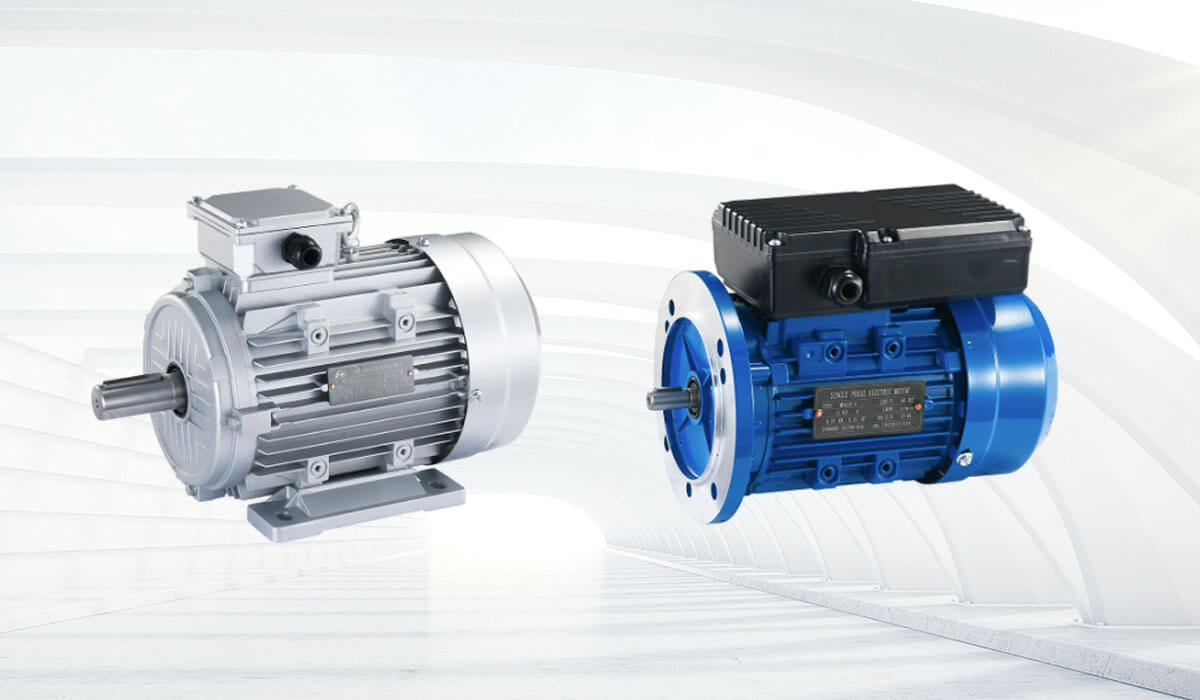
Aluminum motors have become popular in many industrial and commercial applications due to their lightweight design, excellent thermal conductivity, and corrosion resistance. These characteristics make them a practical choice for industries such as manufacturing, HVAC, automotive, and more. Compared with traditional cast-iron motors, aluminum motors offer significant advantages in energy efficiency, reduced weight, and operational stability.
The materials used in motor design play a crucial role in determining performance, durability, and cost. Aluminum provides a well-balanced combination of strength, low weight, and affordability, making it an ideal material for modern electric motors. In this article, we will explore why aluminum is widely used in electric motors today and the benefits it brings to various industries.
What are aluminum motors?
Aluminum motors are electric motors that use aluminum in key components such as the windings, housing, or rotor. These motors are built to perform the same basic function as traditional motors, turning electrical energy into motion, but they use aluminum instead of heavier or more expensive materials like copper or iron. The basic structure of an aluminum motor includes a stator (the stationary part), a rotor (the rotating part), windings, and a frame or casing. The use of aluminum helps make the motor lighter and can lower production costs.
Compared to traditional copper motors, aluminum motors may have slightly lower electrical conductivity, but they are often chosen for their lightweight and affordability. Aluminum also resists corrosion well, which helps improve the motor’s lifespan in harsh environments. There are many types of aluminum motors, with the most common being AC (alternating current), DC (direct current), and induction motors. Each type is used for different applications, from household appliances and tools to industrial machines and electric vehicles.
Advantages of aluminum motors
Aluminum motors offer several advantages over traditional materials like cast iron, making them a preferred choice for a wide range of commercial and industrial applications. Their unique combination of performance, efficiency, and sustainability makes them suitable for both stationary and mobile equipment. Below are the key benefits:
Lightweight construction
Aluminum’s low density makes motors significantly lighter than their cast iron counterparts. This makes them easier to install, transport, and maintain — especially beneficial in electric vehicles, portable machinery, and any application where reducing overall weight enhances performance.
Superior heat dissipation
With excellent thermal conductivity, aluminum allows heat to dissipate quickly. This leads to cooler operation, reduced risk of overheating, and longer motor lifespan, ultimately improving reliability and performance.
Corrosion resistance
Aluminum naturally forms a protective oxide layer, giving it strong resistance to rust and corrosion. This feature makes aluminum motors ideal for humid, marine, or chemically aggressive environments, such as food processing plants, chemical manufacturing facilities, and coastal installations.
High energy efficiency
The lightweight nature and effective cooling properties of aluminum motors reduce energy consumption. Operating at lower temperatures with reduced electrical load helps businesses reduce electricity bills and support sustainable energy practices.
Low maintenance requirements
Aluminum motors experience less wear and tear due to their corrosion resistance and improved cooling. This reduces maintenance frequency and downtime, which is especially valuable in continuous-operation sectors like HVAC systems and manufacturing.
Cost-effective in the long run
While initial costs may be slightly higher in some cases, aluminum motors prove more cost-effective over time. Their energy efficiency, durability, and reduced maintenance needs contribute to lower total ownership costs.
Versatile applications
Thanks to their strength, low weight, and durability, aluminum motors are used in a wide array of applications including industrial automation, electric vehicles, compressors, conveyor systems, and HVAC equipment.
Environmentally friendly
Aluminum is one of the most recyclable materials available. Its high recyclability and energy-efficient production processes make aluminum motors an eco-friendly option for industries aiming to adopt greener practices.
Types of aluminum motors
At Zhenli Motor, a leading professional aluminum motor manufacturer in China, we specialize in a diverse range of aluminum motor designs tailored to meet various industrial needs.
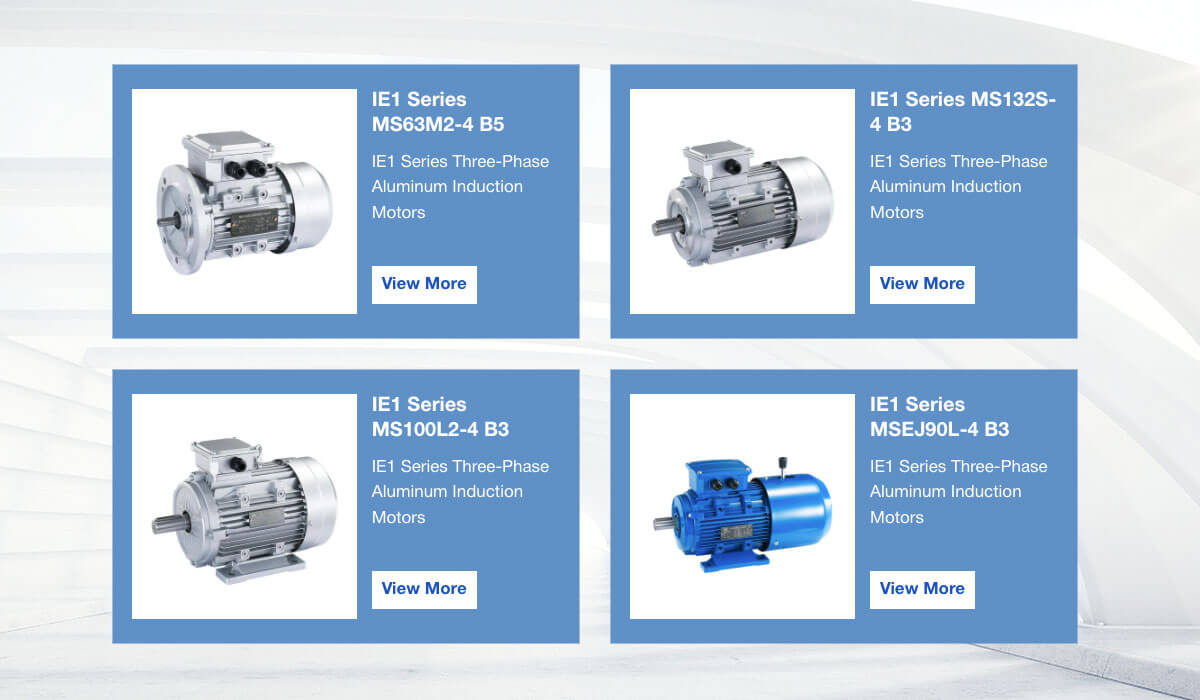
Three-phase aluminum motors
Zhenli Motor’s three-phase aluminum motors are engineered for demanding industrial environments where efficiency, reliability, and energy savings are top priorities. Built with a precision aluminum frame, these motors deliver minimal vibration, ultra-low noise, and lightweight performance without compromising on power.
Our three-phase aluminum motor lineup includes the YE3 (IE3), YE5, and MS Series — all designed to meet the latest international energy efficiency standards. Whether you’re powering air compressors, pumps, fans, or conveyor systems, our three-phase aluminum motors are trusted by customers in 80+ countries to get the job done.
👉 Explore Three-Phase Aluminum Motors
Single-phase aluminum motors
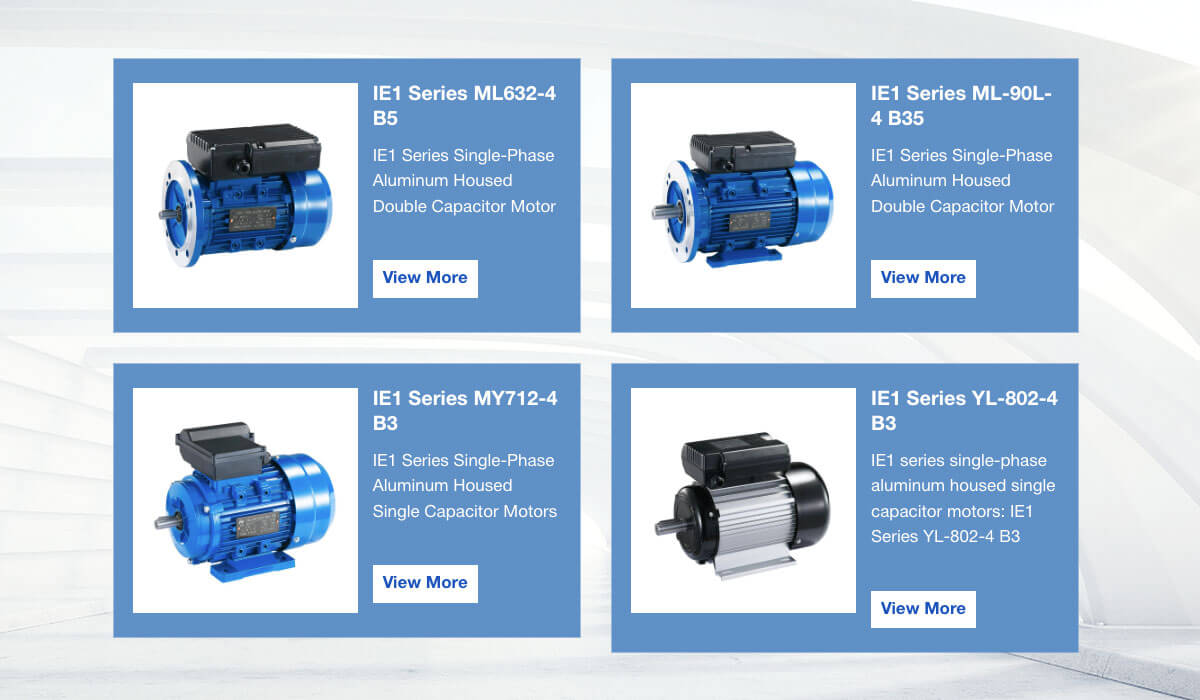
Designed for lighter-duty applications and environments where a three-phase power supply is unavailable, Zhenli Motor’s single-phase aluminum motors offer excellent performance, low noise, minimal vibration, and a compact, attractive design — making them ideal for small machinery, household appliances, water pumps, and more.
Our ML and MY Series single-phase aluminum motors combine reliable operation with a space-saving aluminum housing, ensuring easy installation and long service life even in challenging conditions.
👉 Explore Single-Phase Aluminum Motors
Applications of aluminum motors
Aluminum motors are used across a wide range of industries thanks to their lightweight design, excellent heat dissipation, corrosion resistance, and energy efficiency. Their adaptability makes them ideal for applications where performance, durability, and sustainability are key.
HVAC systems
Aluminum motors are commonly found in heating, ventilation, and air conditioning (HVAC) systems, powering fans, blowers, and compressors. Their lightweight construction simplifies installation, and their superior thermal conductivity ensures efficient, reliable operation even in high-temperature environments.
Automotive and electric vehicles
In electric and hybrid vehicles, aluminum motors are used in electric power steering, cooling fans, and air conditioning compressors. Their low weight helps improve energy efficiency and battery performance, while high durability supports extended vehicle range and reliability.
Industrial automation and manufacturing
Aluminum motors are integral to conveyor belts, robotic arms, and various production machinery in factories. Their corrosion resistance and efficient cooling make them ideal for continuous-use settings, especially in sectors like food processing, pharmaceuticals, and chemical manufacturing.
Marine and offshore equipment
Because of their natural resistance to rust and corrosion, aluminum motors are widely used in ships, offshore drilling rigs, and other marine applications. They power winches, ventilation fans, pumps, and other essential marine equipment exposed to saltwater and high humidity.
Agriculture and food processing
Aluminum motors are preferred for irrigation systems, grain conveyors, feeding machinery, and food-grade processing equipment. Their corrosion resistance and ease of cleaning make them suitable for harsh outdoor environments and sanitary production areas.
Compressors and pumps
Their excellent cooling capabilities and corrosion resistance make aluminum motors a smart choice for powering air compressors, water pumps, and pumping systems in water treatment or chemical plants.
Power tools and portable equipment
Aluminum motors are commonly used in handheld tools like drills, grinders, and saws. Their lightweight design enhances portability, while consistent cooling ensures long tool life and reliable performance without overheating.
Renewable energy systems
Aluminum motors support solar panel trackers and wind turbine systems, where weight reduction and energy efficiency are critical. Their recyclability also aligns with the sustainability goals of renewable energy projects.
Medical and laboratory devices
In medical and lab settings, aluminum motors are valued for their quiet operation, reliability, and lightweight build. They’re found in ventilators, centrifuges, diagnostic machines, and automated lab systems where precision and cleanliness are essential.
Consumer products
Home appliances like washing machines, refrigerators, and fans use aluminum motors for their efficiency, durability, and compact size. These features contribute to longer product life and reduced energy consumption.
Limitations and considerations
- Lower electrical conductivity – Aluminum’s electrical conductivity is only about 60% that of copper. To achieve the same current-carrying capacity, aluminum windings must be larger in cross-section, which can offset some of the weight savings and complicate coil design.
- Strength limitations – While aluminum is lightweight, its tensile strength and fatigue resistance are lower than many steels and copper alloys commonly used in motor components. This can limit its use in high-stress or high-vibration applications unless reinforced or supported by additional structural elements.
- Thermal expansion – Aluminum’s coefficient of thermal expansion is higher than that of steel or copper. Rapid temperature changes can cause differential expansion among the rotor, stator, and housing — potentially leading to mechanical stresses, alignment issues, or clearance changes over time.
- Cost factors – Although raw aluminum can be less expensive, its market price is more volatile than that of some other metals. Additionally, specialized alloys and heat-treating processes needed to improve strength and durability can raise material and processing costs, narrowing the cost advantage over alternatives.
- Design and manufacturing challenges – Fabricating precise aluminum components often requires tighter controls on machining parameters and tooling wear, since aluminum chips readily and can gall cutting surfaces. Joining methods (e.g., brazing or welding) must also account for aluminum’s propensity to form an oxide layer, which can impede bond quality if not properly managed.
Conclusion
Aluminum motors offer a compelling combination of lightweight design, excellent thermal conductivity, and corrosion resistance, making them an ideal choice for various industrial and commercial applications. Compared with cast iron motors, they offer higher energy efficiency, lower maintenance costs, and enhanced durability, appealing to businesses seeking improved operational performance and sustainability.
While challenges such as production costs and material handling exist, advancements in manufacturing continue to strengthen the case for aluminum motors in modern motor manufacturing. As industries evolve toward more eco-friendly and efficient solutions, aluminum motors are poised to play a significant role in the future of electric motor technology.
At Zhenli Motor, we are proud to lead the way in aluminum motor manufacturing in China. Our commitment to quality and innovation ensures we meet the ever-changing needs of our clients. Discover how partnering with Zhenli Motor can elevate your products and drive sustainable success. Contact us today to explore our capabilities and how we can support your motor design goals.