

Electric motor pulleys are essential components in mechanical drive systems, responsible for transferring power to motor-driven devices. Found in everything from HVAC systems and conveyor belts to industrial machinery, pulleys help control speed, torque, and direction of motion.
Understanding how these pulleys work, their different types, and how to select the right one can significantly increase system efficiency and reliability. Whether for precision equipment or heavy-duty applications, the right pulley makes all the difference.
What is an electric motor pulley?
An electric motor pulley, also known as a sheave, is a wheel mounted on a motor shaft that transmits mechanical power to another component through a belt. By changing the pulley size or ratio, operators can easily adjust motor speed, torque, and energy efficiency. It allows a single motor model to serve different load requirements.
Common shapes and designs
Electric motor pulleys come in several designs, including flat, V-groove, and toothed (timing) pulleys. Each is suitable for different types of belts and load conditions, offering flexibility in all applications.
Importance in power transmission
Without pulleys, it would be challenging to transfer motor energy over distance or change speed and torque levels. Their simplicity, reliability, and adaptability make them essential in mechanical drive systems.
Types of Electric Motor Pulleys
Electric motor pulleys are available in various types to suit different applications, belt systems, and performance requirements. Each type is designed to handle specific functions, speeds, and torque loads. Understanding these types helps users choose the right pulley for efficiency, longevity, and cost-effectiveness.
1) Fixed pulleys
Fixed pulleys are permanently mounted to the motor shaft and do not allow for any diameter adjustment. They are used in applications where constant speed and torque are required without any variation.

2) Adjustable (variable pitch) pulleys
These pulleys enable users to adjust the effective diameter by modifying the pulley sections. This allows the motor speed to be fine-tuned without requiring changes to the pulley or belt.
3) Step pulleys
Step pulleys have multiple grooves of different diameters on a single pulley. Moving the belt from one step to the following changes the speed, offering several fixed speed options within a single pulley unit.
4) Timing (Synchronous) pulleys
Timing pulleys have teeth that mesh with a toothed belt, allowing for precise timing and synchronization. This design prevents slippage and ensures precise motion control, making it ideal for CNC machines and robotics.
5) V-belt pulleys (sheaves)
These are the most common types and are designed for use with V-belts. Their grooved profile increases grip and reduces the risk of the belt slipping during operation.
6) Flat belt pulleys
Applications requiring high-speed, low-torque transmission can benefit from the use of flat belt pulleys. They require precise alignment to prevent the belt from slipping off.
7) Idler pulleys
Idler pulleys do not drive the load. Instead, they guide or tighten the belt. They help maintain proper belt alignment and tension in complex pulley systems.
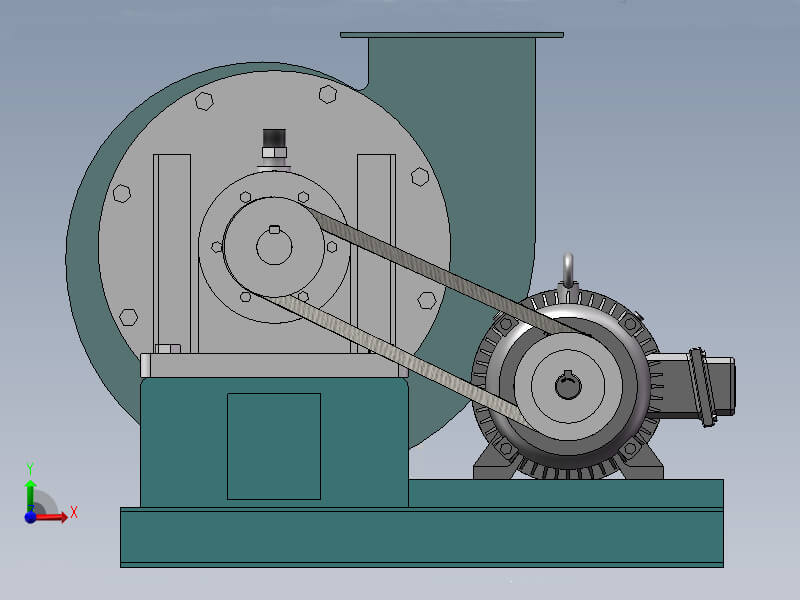
Key Components and Terminology
To fully understand how an electric motor pulley operates, it’s important to know the main components and technical terms used in its design. Each part plays a crucial role in ensuring smooth power transmission, proper alignment, and reliable performance.
Bore
The bore is the central hole of the pulley that fits onto the motor shaft. Its size must match the shaft diameter precisely to ensure a secure and balanced fit. A loose or misaligned bore can lead to vibration, noise, and uneven wear. Some pulleys use Taper-Lock or QD (Quick Detachable) bushings, which allow easy installation and removal while maintaining a tight, concentric grip on the shaft.
Grooves / Profiles
The grooves, also called profiles, are the shaped channels on the pulley where the belt sits. Their shape varies depending on the belt type—V-shaped grooves for V-belts, flat surfaces for flat belts, and toothed profiles for timing belts. The accuracy of these grooves is critical for belt alignment and traction, as even small imperfections can cause belt slippage or wear.
Pitch Diameter
The pitch diameter (PD) refers to the effective diameter at which the belt transmits power. It determines the speed ratio between the driving and driven pulleys. Selecting the correct pitch diameter ensures the desired output speed and torque. For example, using a larger pitch diameter on the driven pulley can increase torque while reducing speed—important for heavy-duty machinery.
Face Width
The face width is the total width of the pulley’s working surface where the belt contacts. A wider face width supports multiple belts or greater load capacity, while a narrower one suits compact systems. Maintaining proper face width alignment is essential for even belt wear and stable performance over time.
Hub Design
The hub is the central portion that connects the pulley body to the bore. It can be integral (built into the pulley) or separate (used with bushings). The hub’s design affects how easily the pulley can be mounted or replaced. Taper-Lock and QD bushing systems are common in industrial setups because they provide strong clamping force, precise centering, and simple maintenance.
By understanding these key components and terms, users can select, install, and maintain pulleys more effectively. They ensure optimal performance and extending the life of their electric motor systems.

Functions and Applications of Electric Motor Pulleys
Key Functions of Electric Motor Pulleys
- Power Transmission:
The primary function of a pulley is to transmit mechanical power from the motor shaft to another part of the machine. This is usually achieved by a belt that connects the motor pulley to the driven pulley. This allows energy to move efficiently between components without the need for direct coupling. - Speed Control:
By adjusting pulley diameters, operators can easily change the output speed of the driven equipment. A smaller motor pulley or a larger driven pulley reduces speed, while the opposite increases it—offering a simple and cost-effective way to fine-tune machine performance. - Torque Adjustment:
Pulley size also affects the torque output. Larger driven pulleys increase torque for heavy loads, while smaller ones prioritize speed for lighter applications. This makes pulley systems versatile across a wide range of operational requirements. - Vibration and Shock Absorption:
The flexible belt in a pulley system absorbs vibration and shock, protecting the motor and driven machinery from mechanical stress. This smooth transmission helps extend the life of both the belt and the bearings. - Load distribution
Pulleys help distribute mechanical loads evenly, preventing stress on the motor or individual parts. This balance ensures better performance and reduces the chance of failure.
Common Industrial and Practical Applications - HVAC Fans and Blowers:
In heating, ventilation, and air-conditioning systems, pulleys allow precise airflow control by adjusting fan speed without changing the electric motor itself. - Conveyor Systems:
Factories and warehouses use pulley-driven conveyors for material handling, enabling smooth movement of goods at adjustable speeds depending on production needs. - CNC Machines and Lathes:
Pulley systems in CNC machinery provide accurate speed and torque control for cutting, drilling, and milling operations, ensuring precision in manufacturing. - Pumps and Compressors:
Pulleys in pumps and air compressors manage pressure and flow rate, allowing operators to adapt performance to specific tasks or environmental conditions. - Small Appliances and Tools:
Even household and light industrial tools—such as washing machines, mixers, and bench grinders – rely on pulleys for speed variation and quiet operation.
Across all these applications, electric motor pulleys serve as a critical link between power and performance. Their simple yet effective design allows machines to run efficiently, adjust easily to different workloads, and operate reliably in a wide range of environments.
Key Points When Choosing A Motor Pulley
Selecting the correct motor pulley is essential for ensuring the system’s optimal performance, efficiency, and longevity. Before making a decision, several environmental and technical considerations must be taken into account.
Load requirements
Understanding the torque and speed demands of your application is the first step. The pulley must be able to handle the required mechanical load without slipping or straining.
Motor speed (RPM)
Match the pulley size to the RPM of your motor. Selecting the incorrect size may cause the system to operate less effectively or sustain damage due to either excessive speed or insufficient torque.
Pulley size and ratio
Pulley diameter directly affects motor speed and torque output.
- A larger driven pulley increases torque but lowers output speed—perfect for heavy machinery or equipment that needs high pulling power.
- A smaller driven pulley increases speed but reduces torque—ideal for fans or centrifugal pumps that rely on fast rotation.
Always check the speed ratio (driver to driven pulley) and ensure it matches the performance requirements of your system.
Belt compatibility
Pulleys and belts must be properly matched for reliable power transmission.
- V-Belt Pulleys: Suitable for most general-purpose drives; they handle moderate torque and allow for slight misalignment.
- Flat Belt Pulleys: Used in high-speed, low-torque setups like blowers or textile machines.
- Timing (Synchronous) Pulleys: Essential for applications that need precise, slip-free motion, such as robotics or CNC machinery.
Selecting the correct groove profile ensures secure belt engagement and minimizes wear.
Shaft fit and mounting style
The pulley must fit securely on the motor shaft. Check for options like set screws, keyways, or taper lock bushings for a secure and strong attachment.
Material Durability
The pulley’s material must match the working environment and load conditions.
- Steel and Cast Iron: Best suited for heavy-duty or high-torque applications such as conveyors, pumps, and compressors. These materials are strong, wear-resistant, and capable of handling continuous industrial use.
- Aluminum: Ideal for light- to medium-duty systems that require reduced weight and corrosion resistance—such as HVAC fans and small machinery.
- Plastic or Composite: Recommended for low-load, quiet-running applications, like small appliances or lab equipment. These materials reduce noise and cost but are less durable under heavy loads.
Maintenance Ease
Select pulleys that are easy to maintain and widely available. This reduces downtime and makes future repairs or replacements easier.
Efficient maintenance can save significant downtime and cost. Pulleys that use Taper-Lock or QD bushings allow for quick installation and removal without damaging the shaft, making them a preferred choice for industrial settings. Additionally, consider choosing standardized pulley sizes and readily available belts for easier replacement.
Application-Specific Considerations
- High-load or dusty environments: Use sealed metal pulleys with corrosion-resistant coatings.
- Variable-speed applications: Opt for adjustable pitch or step pulleys that allow simple speed changes without replacing components.
- Compact systems: Choose lightweight aluminum or composite pulleys to minimize inertia and save space.
By evaluating these factors—material durability, sizing ratio, belt compatibility, and maintenance needs—you can select a pulley that delivers the right balance of power, efficiency, and reliability for your motor-driven equipment.
Conclusion
Electric motor pulleys are essential for efficient power transmission, speed control, and torque management in mechanical systems. Choosing the right type, material, and size—and maintaining them properly—ensures reliable performance and extends the equipment’s lifespan. With the proper setup, you can optimize your motor-driven applications for safety, durability, and efficiency.
As a professional electric motor manufacturer in China, Zhenli Motor is committed to helping industries operate more efficiently through reliable motor and pulley solutions. Take action today – review your current pulley systems, consult experts for optimization, and schedule preventive maintenance to keep your equipment running at peak performance.
Partner with Zhenli Motor and experience the difference that precision and quality can make in your operation.
FAQs
Can I use any pulley with my electric motor?
No, the pulley must match the motor shaft size, belt type, speed requirements, and load capacity. Using an incompatible pulley can cause damage or reduce the system’s performance.
How do I calculate the pulley ratio?
Divide the diameter of the driven pulley by the diameter of the drive pulley. This ratio determines how the speed and torque between the motor and the load will change.
What causes a belt to slip off a pulley?
Common causes include loose belt tension, improper pulley installation, worn belts, or damaged pulley grooves. Regular maintenance can help prevent this problem.
How often should I inspect my motor pulleys?
Ideally, inspect pulleys and belts every 1 to 3 months, depending on operating conditions. Frequent checks help catch problems early and prevent failures.
Which pulley material is best for outdoor or corrosive environments?
Stainless steel or corrosion-resistant aluminum pulleys are ideal for outdoor, marine, or chemical-heavy environments due to their durability and rust resistance.