
Electric motors power everything from household appliances and electric vehicles to industrial machines and renewable energy systems, making them indispensable to our everyday lives. At the heart of every electric motor lies the stator, the stationary part that creates the magnetic field essential for motion. Working in harmony with the rotor and separated by a precise air gap, the stator ensures that electromagnetic forces generate smooth, controlled movement. Its design directly influences a motor’s efficiency, torque, and power output, making it a critical factor in performance. Understanding the stator’s role, composition, and significance enhances motor performance and ensures long-term reliability.
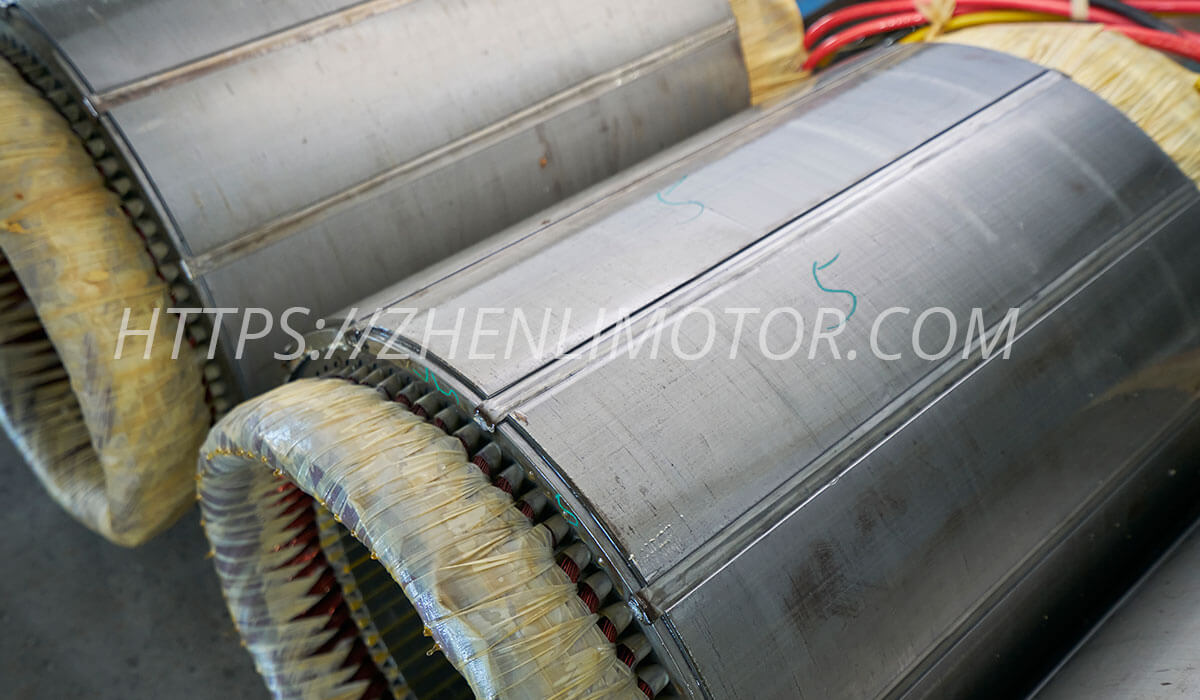
In this article, we will delve into the anatomy, materials, functions, and emerging innovations of the electric motor stator, revealing why it is truly the backbone of modern electric machinery.
What is an electric motor stator?
The stationary component of an electric motor that encircles the rotating rotor is called the stator. It is responsible for generating the magnetic field necessary for the motor to function. Despite being fixed in place, the stator is the true heart of motor operation, as it initiates the entire electromagnetic process.
The primary function of the stator
Depending on the type of motor, the stator’s main job is to generate a rotating or constant magnetic field. This magnetic field efficiently converts electrical energy into mechanical energy by interacting with the rotor to generate torque and rotation.
Electric motor stator components
A typical stator consists of three main parts: the stator core, stator windings, and the stator frame (housing). Each component is carefully designed to ensure efficiency, reliability, and performance.
Stator core
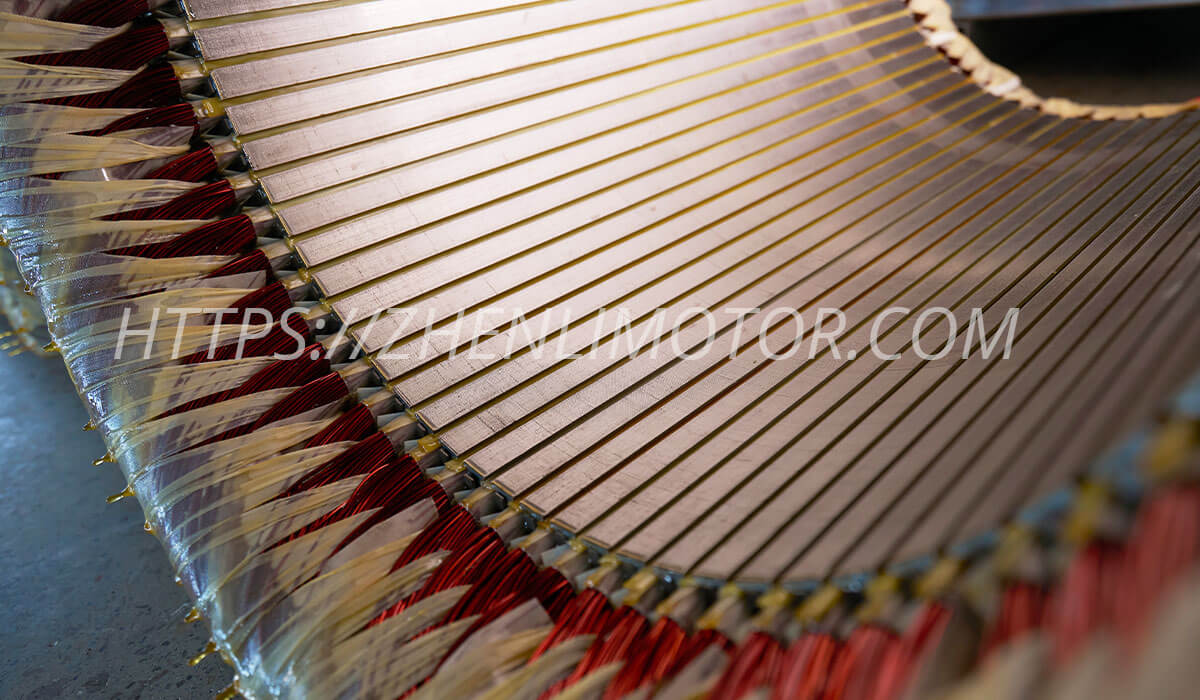
The core forms the backbone of the motor’s magnetic system and is usually made of laminated steel sheets to reduce energy losses from eddy currents. The laminations include slots that house the windings and teeth that focus the magnetic field toward the rotor, enabling optimal torque and efficiency.
Stator windings
Copper or aluminum wires, insulated to prevent short circuits, are wound into coils and inserted into the core slots. These windings generate the magnetic field that drives the rotor, and their design directly affects motor performance, efficiency, and thermal stability.
Stator frame/housing
The frame provides structural support and protects the core and windings from dust, moisture, and mechanical stress. Often made of cast iron, aluminum, or steel, it also assists in heat dissipation, helping maintain safe operating temperatures and prolong motor life.
Together, these components allow the stator to function effectively and reliably, ensuring smooth, efficient operation across a wide range of electric motors.
Manufacturing of electric motor stators
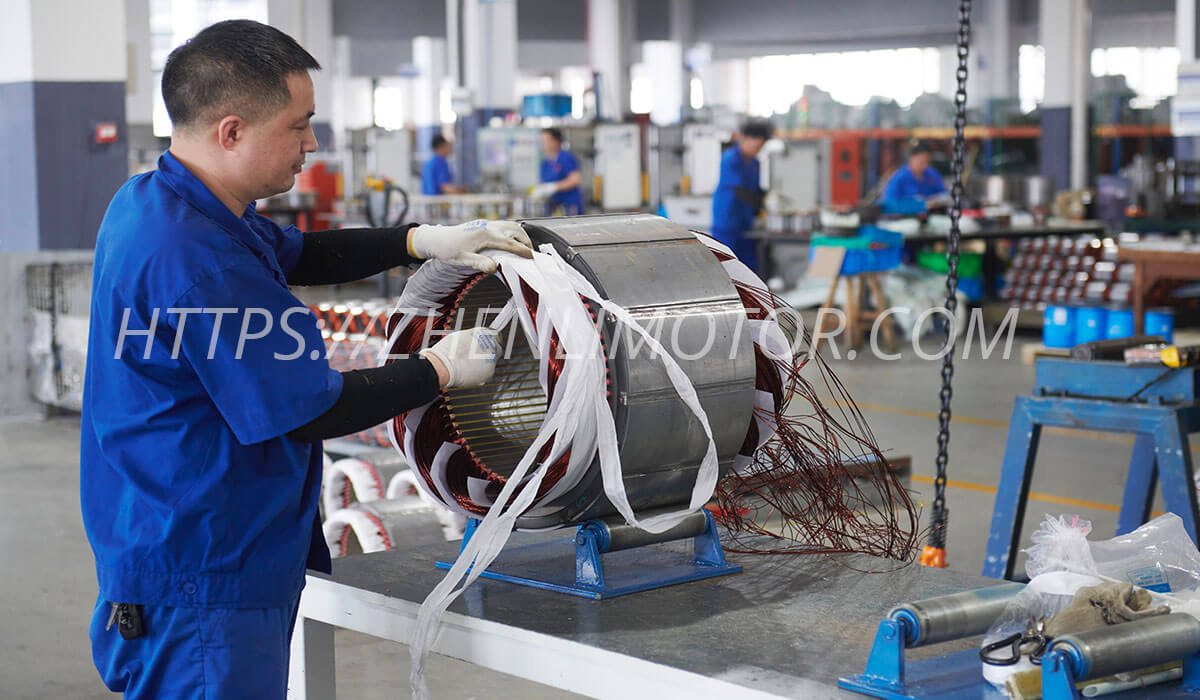
The manufacturing of electric motor stators is a precise, highly engineered process that combines high-quality materials with advanced techniques to ensure efficiency, reliability, and consistent performance.
Core laminations
Stator cores are made from thin sheets of laminated electrical steel to reduce eddy current losses and improve magnetic efficiency. The sheets are stamped or laser-cut into precise shapes with slots for the windings, then stacked and bonded or clamped to form a solid core. This careful fabrication ensures optimal magnetic flux flow, structural integrity, and minimal vibration or noise during operation.
Coil winding
Insulated copper or aluminum wire is wound into coils and inserted into the core slots. Winding can be manual, automated, or use specialized techniques depending on motor design. The coils must be uniform, rigid, and secure to ensure consistent electromagnetic performance, optimize space usage, and achieve desired voltage, current, and torque characteristics.
Insulation and impregnation
After winding, the stator is coated with insulating varnish or slot liners, then undergoes vacuum pressure impregnation (VPI). This process fills gaps with resin, enhancing electrical insulation, thermal protection, mechanical strength, and long-term durability.
Assembly into housing
The finished stator is assembled into a frame or housing, typically made of aluminum, cast iron, or steel. The housing provides structural support, protects the stator components, and aids in heat dissipation. Precise alignment is critical to ensure the rotor fits and rotates interference-free.
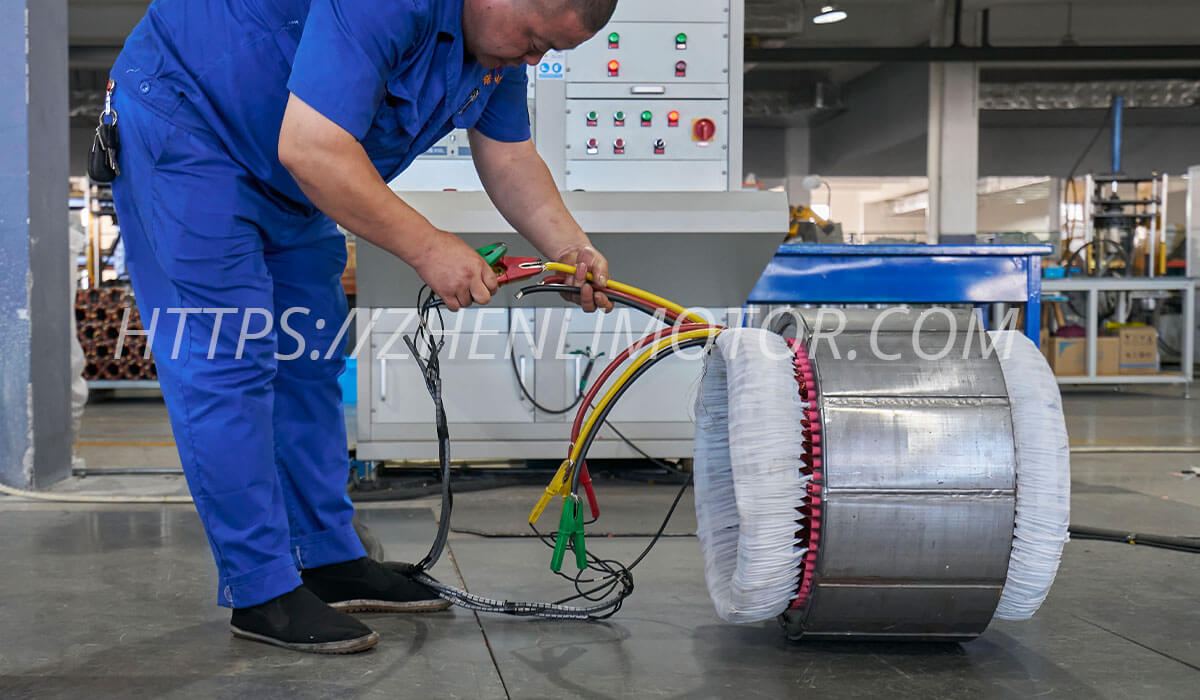
Quality control and testing
Throughout production, strict quality checks ensure flawless lamination, stacking, winding, insulation, and assembly. Tests include:
- Insulation resistance: Verifies the integrity of the winding insulation.
- High-potential (Hi-Pot) testing: Confirms the stator can withstand high voltages without breakdown.
- Surge comparison: Detects turn-to-turn insulation faults within the windings.
- Dimensional verification: Ensures all physical tolerances meet specification.
Together, these measures guarantee that each stator meets rigorous standards for industrial, automotive, and consumer applications.
How an electric motor’s stator works
By creating a magnetic field that interacts with the rotor, the stator plays a crucial role in transforming electrical energy into mechanical motion. The way this interaction occurs depends on whether the motor is AC or DC.
AC motor stator operation
In an AC motor, the stator windings are connected to an alternating current power supply. When AC passes through the windings, it creates a rotating magnetic field around the stator core. Due to electromagnetic induction, the revolving field causes a current to flow through the rotor, which rotates (particularly in squirrel-cage or wound-rotor types). The rotational speed depends on the current frequency and the number of stator poles.
DC motor stator operation
In DC motors, the stator provides a permanent magnetic field, either via permanent magnets or via direct-current-driven field windings. The rotor (or armature) is connected to a commutator that changes the current direction at the right time, allowing for continuous rotation. The interaction between the rotor’s changing magnetic field and the stator’s fixed field produces torque.
Regardless of the motor type, the stator’s magnetic field is the driving force that causes the rotor to rotate. Its performance directly affects the torque, speed, and energy efficiency of electric motors.
Applications of electric motor stators
Electric motor stators are at the heart of countless machines and systems, where their design directly impacts performance, efficiency, and reliability. Their ability to generate magnetic fields and drive rotor motion makes them essential across a wide range of fields:
Industrial equipment
Stators power machinery such as conveyors, pumps, compressors, and CNC machines. These motors operate continuously under heavy loads, so stators must have high thermal resistance, precise windings, and robust insulation to ensure high torque, energy efficiency, and minimal downtime in demanding environments.
Automotive sector
Electric vehicles (EVs), hybrid cars, and alternators rely on stators for efficient, quiet, and reliable performance. EV traction motors use specially designed stators with high power density and advanced cooling systems to provide instant torque while maximizing battery efficiency and overall motor longevity.
Home appliances and consumer electronics
Appliances like washing machines, fans, air conditioners, and refrigerators depend on stators for compact, low-noise, and energy-efficient operation. Optimized stator design reduces vibration and noise while ensuring durability for frequent use.
Aerospace and defense
Specialized motors for aerospace and defense applications require lightweight stators that withstand extreme temperatures, vibration, and pressure fluctuations, ensuring reliability in mission-critical systems.
Renewable energy systems
Wind turbines, hydro generators, and other renewable energy systems rely on stators to convert mechanical energy into electricity. These stators require precision construction and corrosion-resistant materials to handle variable speeds, high power output, and harsh outdoor conditions.
Across all applications, the stator’s geometry, materials, and winding design are key factors influencing torque, efficiency, and operational stability, making it a cornerstone of modern electric motor performance.
Conclusion
The electric motor stator is the backbone of every motor, playing a pivotal role in generating the magnetic field that drives the rotor and enables motion. Its design, construction, and maintenance directly influence a motor’s efficiency, torque, power output, and overall durability. Optimizing stator design — from core materials and winding techniques to insulation and thermal management — is essential for achieving high performance, reliable operation, and greater power density.
As electric motor technology evolves, stators are becoming more compact, efficient, and versatile, meeting the demands of modern applications such as electric vehicles, renewable energy systems, and high-performance industrial machinery. Understanding the stator is crucial not only for engineers and technicians but also for anyone aiming to maximize motor performance across various applications.
For businesses seeking high-quality, customizable solutions, Zhenli Motor offers professional OEM/ODM stator services and custom motor assembly tailored to your specific needs. Contact Zhenli Motor today to discuss your project, request a quote, and explore how our expertise can help you achieve superior motor performance and reliability.
FAQs
- Can the stator be repaired instead of replaced? Yes, many stator problems can be resolved by rewinding or replacing damaged insulation, provided the core is intact.
- How long does a stator last? With proper care, a stator can last between 15 and 25 years, depending on the operating conditions.
- How much does it cost to replace a stator? The cost varies depending on the size and type of motor, but rewinding a stator is often 40–70% less expensive than purchasing a new motor.
- Can stators be customized? Yes, manufacturers offer custom stators for applications requiring specific dimensions, materials, or thermal properties.
- What causes stator failure? Common causes include overheating, power surges, moisture ingress, and mechanical damage.