

3-phase electric motor manufacturer - Zhenli Motor
A three-phase electric motor is a reliable and efficient solution for a wide range of commercial and industrial applications. Known for its efficiency, dependability, and low maintenance needs, it remains the go-to choice in many industries. Whether powering heavy machinery, electric vehicles, or other industrial equipment, understanding the types, applications, advantages, and maintenance requirements of motors helps make an informed decision.
As part of a professional 3-phase electric motor manufacturer in China, Zhenli Motor is committed to providing high-quality, efficient, and reliable motors tailored to the diverse needs of various industries. With ongoing advancements in smart technology, energy efficiency, and sustainability, the future of 3-phase electric motors looks bright, offering even more innovative solutions.
A three-phase electric motor works using three separate wires, each carrying electricity at slightly different times. This creates a smooth and steady flow of energy, allowing the motor to run efficiently. In comparison to a single-phase motor, which uses only one wire (plus a neutral wire), a three-phase motor offers better performance, greater strength, and more stable operation. As a result, three-phase motors are typically used in factories, workshops, and large machines where higher power and consistent performance are required.
Why choose ZHENLI three-phase motors?
- 20+ years of manufacturing expertise
- 20+ production lines with advanced machining capabilities
- Certified to CE, SGS (RoHS), ISO-9001, CCC & CQC standards
- Exported to 80+ countries across Europe, Southeast Asia, the Middle East, South America & Africa
- Full customization available — junction boxes, casings, mounting styles & more
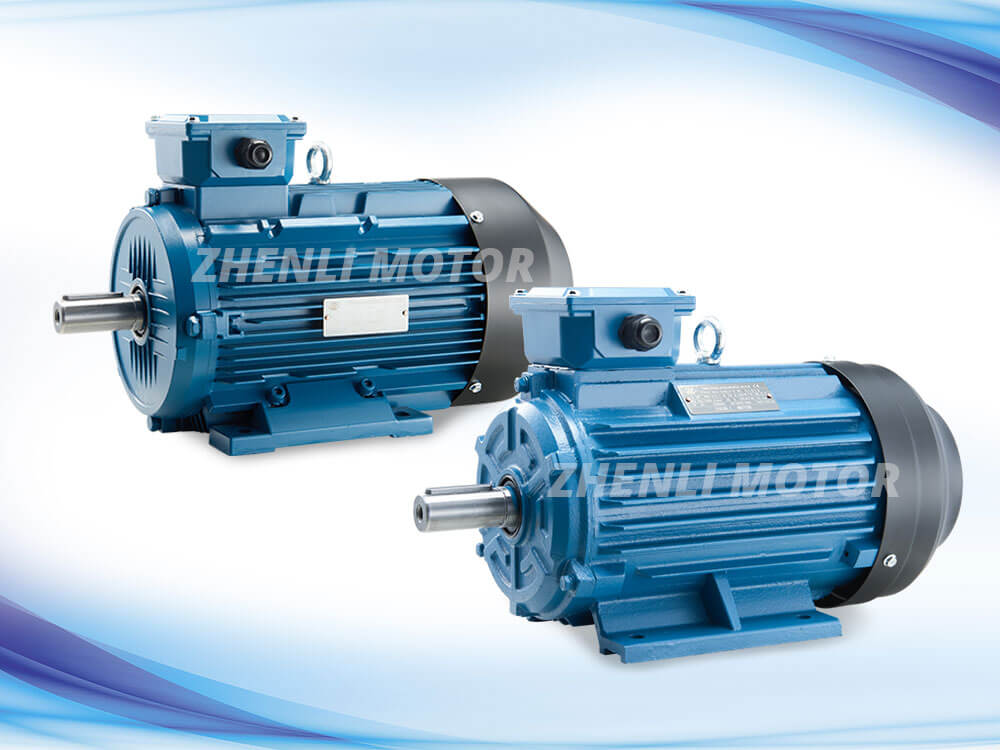


Key components of a 3-phase electric motor
A 3-phase electric motor consists of several key components that work together to convert electrical energy into mechanical motion. Understanding these parts helps in troubleshooting, maintaining, and selecting the correct motor for various industrial applications.
Stator
The stator is the stationary part of the motor and generates the rotating magnetic field. It consists of a laminated iron core with slots that house the stator windings, which are made of insulated copper or aluminum conductors connected to a three-phase power supply. The rotating magnetic field created by these windings induces motion in the rotor.
Rotor
The rotor is the rotating part of the motor, located inside the stator. It interacts with the stator’s magnetic field to create motion. There are two types of rotors:
Squirrel-cage rotor
Made up of conductive bars short-circuited at both ends by end rings. It is widely used in induction motors for its durability and low maintenance.
Wound rotor
This rotor has windings connected to external resistors or controllers via slip rings, offering control over speed and torque. It is used in applications requiring high starting torque.
Bearings
Bearings are used to support the rotor and allow it to spin smoothly inside the motor housing. They reduce friction, ensure efficient performance, and extend the motor’s lifespan. Common types include ball and roller bearings.
Cooling system
Electric motors generate heat during operation, so an effective cooling system is necessary. Cooling methods can include:
- Fan-cooled motors (TEFC): These have an external fan mounted on the shaft to dissipate heat.
- Open drip-proof (ODP) motors: Use ventilation holes for airflow but require protection from contaminants.
- Liquid-cooled motors: In high-power applications, liquid cooling helps keep motor temperatures within safe limits.
Terminal box
The terminal box is where the motor’s electrical connections are made, providing a safe area for connecting the motor to the power supply. It includes terminal blocks for various wiring configurations and cable glands to protect the connections from dust, moisture, and mechanical damage.
Frame and housing
The frame of a motor offers structural support and protects the internal components from damage. It also dissipates heat produced during operation. The frame may be made of cast iron, aluminum, or steel, depending on the motor’s size and application. Motors are designed with sealed enclosures for protection in harsh environments and are rated for ingress protection (IP) against solids and liquids.
End shields (end bells)
End shields, or end bells, enclose the rotor and support the bearings. They maintain proper rotor alignment within the stator, ensuring smooth operation. These components are often made of cast iron, aluminum, or steel and help dissipate heat.
Shaft
The shaft is connected to the rotor and extends outside the motor housing. As the rotor spins, the shaft transfers mechanical motion to the machine or tool it powers.
How a 3-phase electric motor works
A 3-phase electric motor converts electrical energy into mechanical movement using a three-phase alternating current (AC) supply. In this system, three AC currents flow through three separate wires, each 120 degrees out of phase with one another. This design ensures a continuous, balanced flow of power, reduces torque fluctuations, and improves efficiency.
The motor’s operation is based on electromagnetic induction. When the three-phase AC power enters the stator (the non-moving part), it flows through coils arranged to create a rotating magnetic field (RMF). This magnetic field spins around the stator at a steady speed.
Inside the stator, the rotor (the moving part) is exposed to the rotating magnetic field. This interaction induces an electric current in the rotor, which creates its own magnetic field. The rotor’s magnetic field reacts with the stator’s, generating torque. This torque causes the rotor to spin, and as long as the AC power continues, the rotor keeps turning.
The result is smooth, continuous motion that powers machines, tools, and equipment.
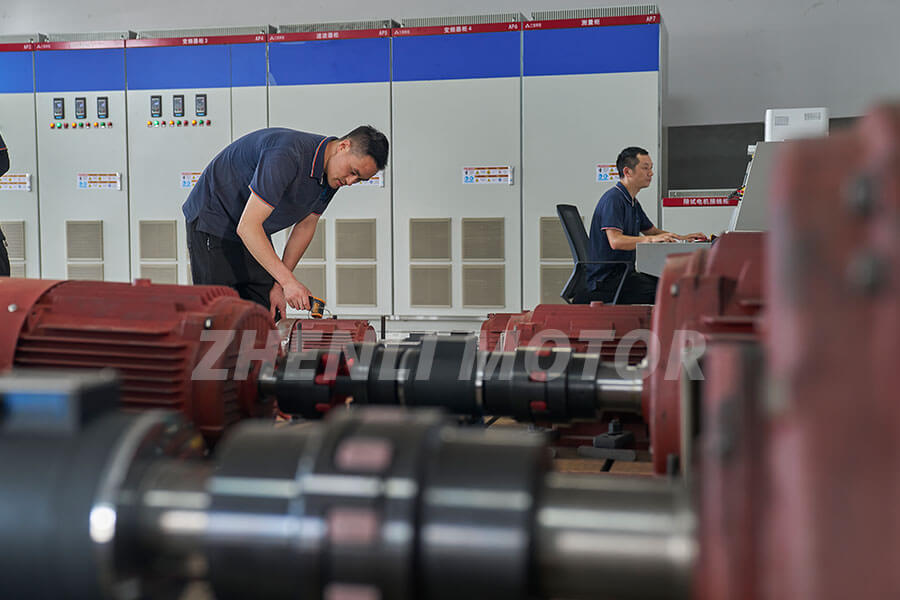

Applications of 3-phase electric motors
3-phase electric motors are widely used across various industries due to their efficiency, reliability, and versatility. Their ability to handle high loads and run continuously with minimal maintenance makes them ideal for a broad range of applications. Below are some key areas where 3-phase electric motors are commonly used:
- Industrial machinery: 3-phase electric motors are essential in powering industrial machinery, such as lathes, milling machines, grinders, and CNC machines.
- Pumps and compressors: These motors are widely used in pumps for water, oil, and air, as well as in compressors.
- Conveyors and material handling: In industries like mining, logistics, and food processing, 3-phase motors efficiently move materials through conveyor systems.
- HVAC systems: 3-phase motors are used in HVAC systems to power fans, blowers, and compressors, helping regulate airflow and temperature in commercial buildings, factories, and residential complexes.
- Elevators and escalators: These motors power elevators and escalators, offering smooth acceleration, precise speed control, and high torque.
- Electric vehicles and transportation: 3-phase motors, particularly permanent magnet synchronous motors (PMSMs) and brushless DC motors (BLDCs), are integral to electric vehicles (EVs), including cars, buses, and trains.
- Agricultural applications: In agriculture, 3-phase motors are used to power irrigation pumps, grain elevators, and other essential machinery.
- Commercial applications: 3-phase motors are essential in commercial applications, particularly in large systems like HVAC and elevators, where reliability and efficiency are crucial.
Types of three-phase electric motors
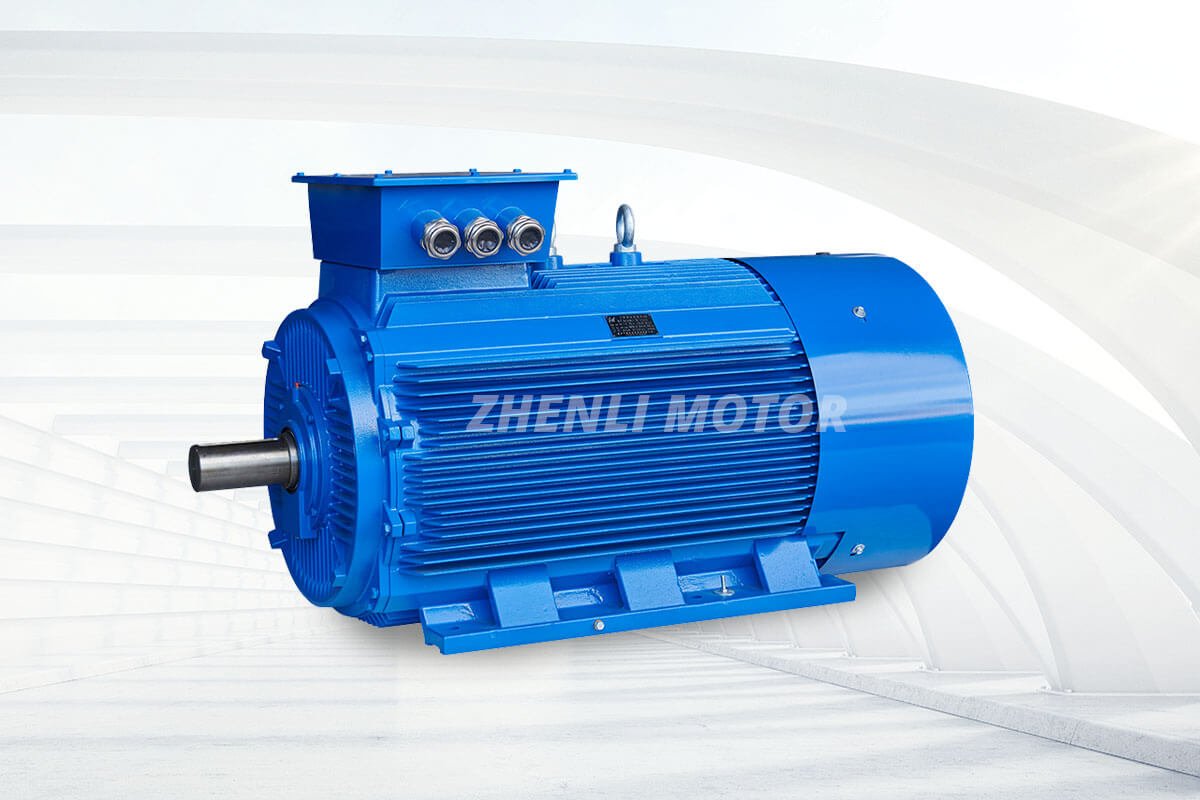
Three phase cast iron motors
Compact, robust, and high-performing. Engineered for demanding industrial environments with low vibration and smooth operation.
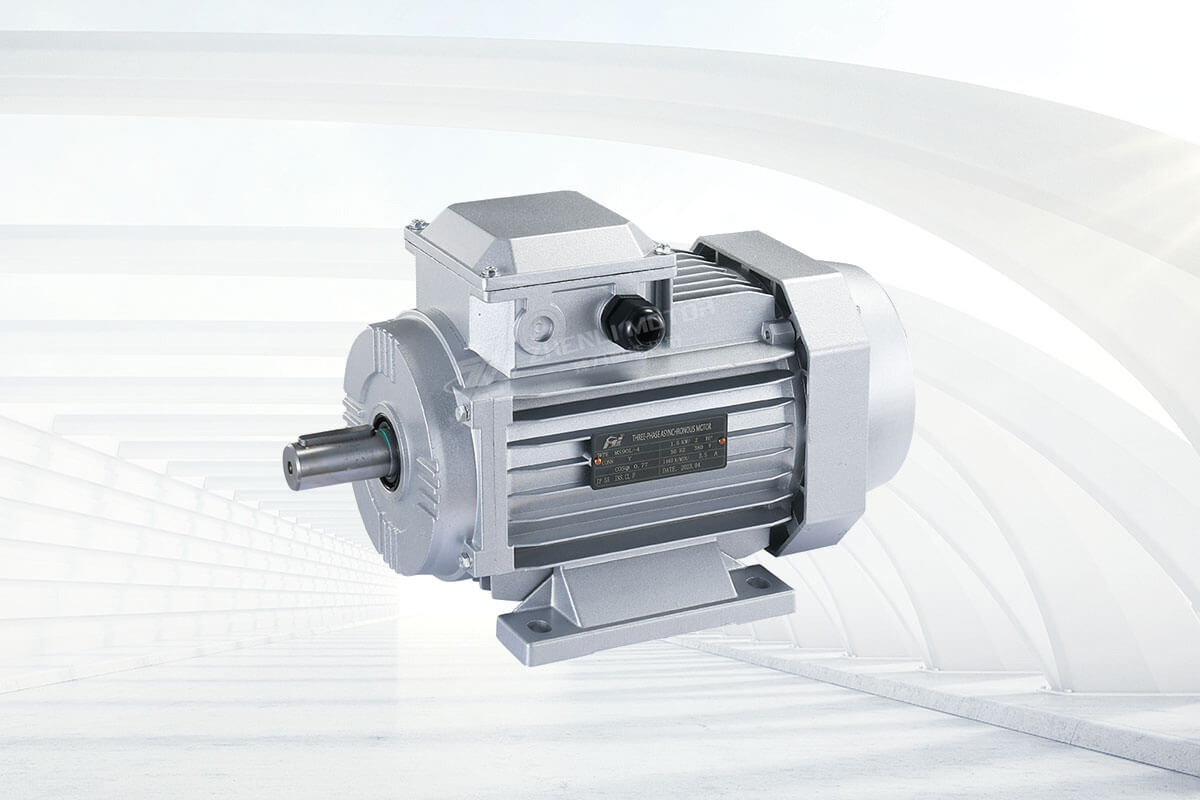
Three phase aluminum motors
Featuring a lightweight aluminum frame, ultra-low noise, and minimal vibration — meeting the latest international energy efficiency standards.
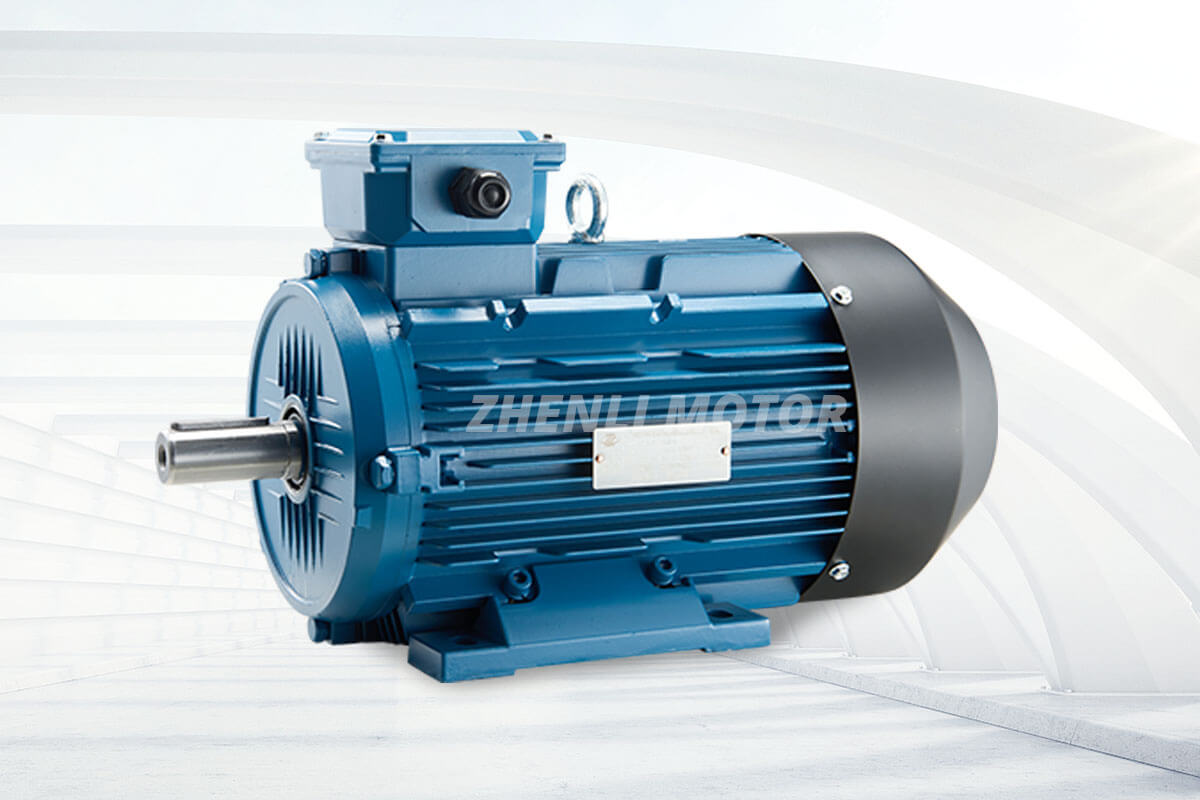
IE4 series three-phase induction motors
ZHENLI MOTOR’s IE4 Series sets the benchmark for energy efficiency — delivering super-premium performance, lower running costs, and reliable operation in the most demanding industrial environments.
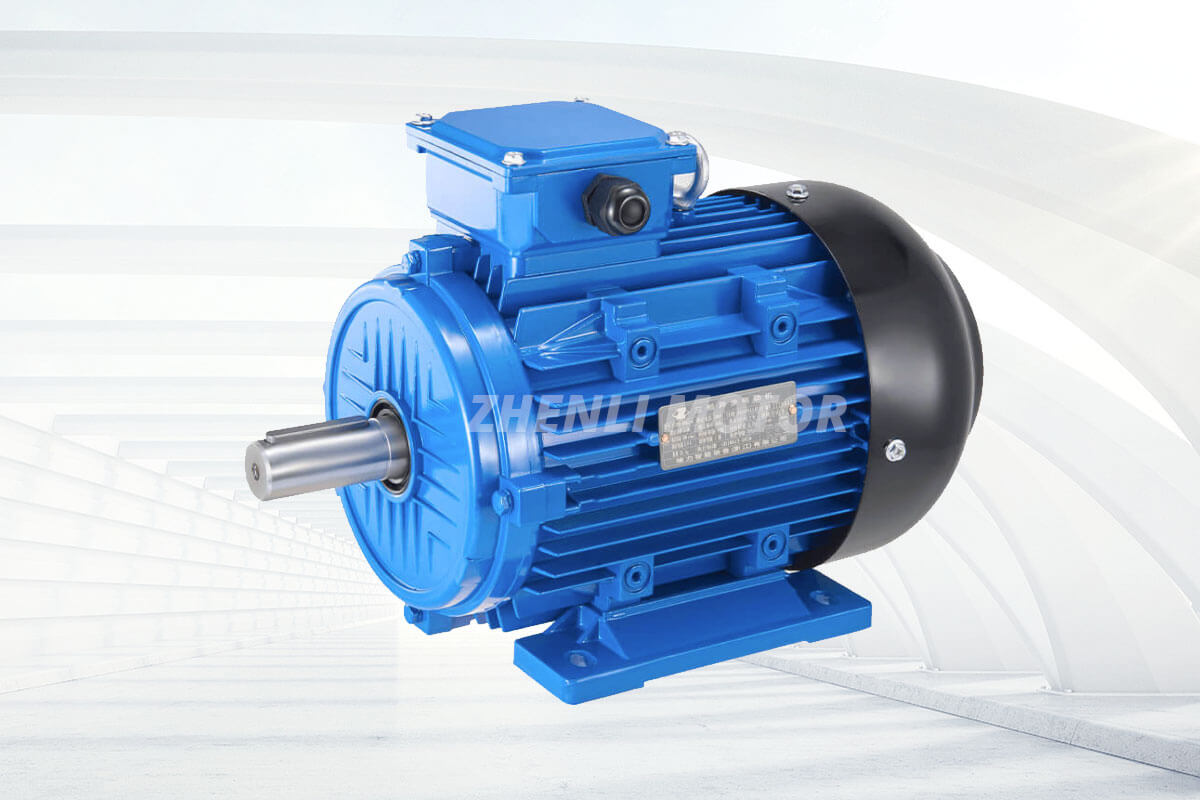
IE5 High-Efficiency Three-Phase Asynchronous Motor
Our most advanced three-phase motor, designed to push the boundaries of energy saving and performance.
Related information

Types and uses of ac motor

AC motor VS. DC motor

AC motor diagram
ZHENLI MOTOR - three phase electric motor experts in China
Frequestly Asked Question
3-phase motors offer higher efficiency, higher torque, smoother operation, and less maintenance than single-phase motors.
The two main types are induction motors (squirrel cage and wound rotor) and synchronous motors (permanent magnet and reluctance motors).
Proper maintenance can last 15-20 years or more, depending on operating conditions.
A variable frequency drive (VFD) can control the speed by adjusting the motor’s frequency and voltage.